Devon Franke · 11 October 2026
Mapping Shifts in Keyword Performance Landscapes During Backend Platform Evolutions
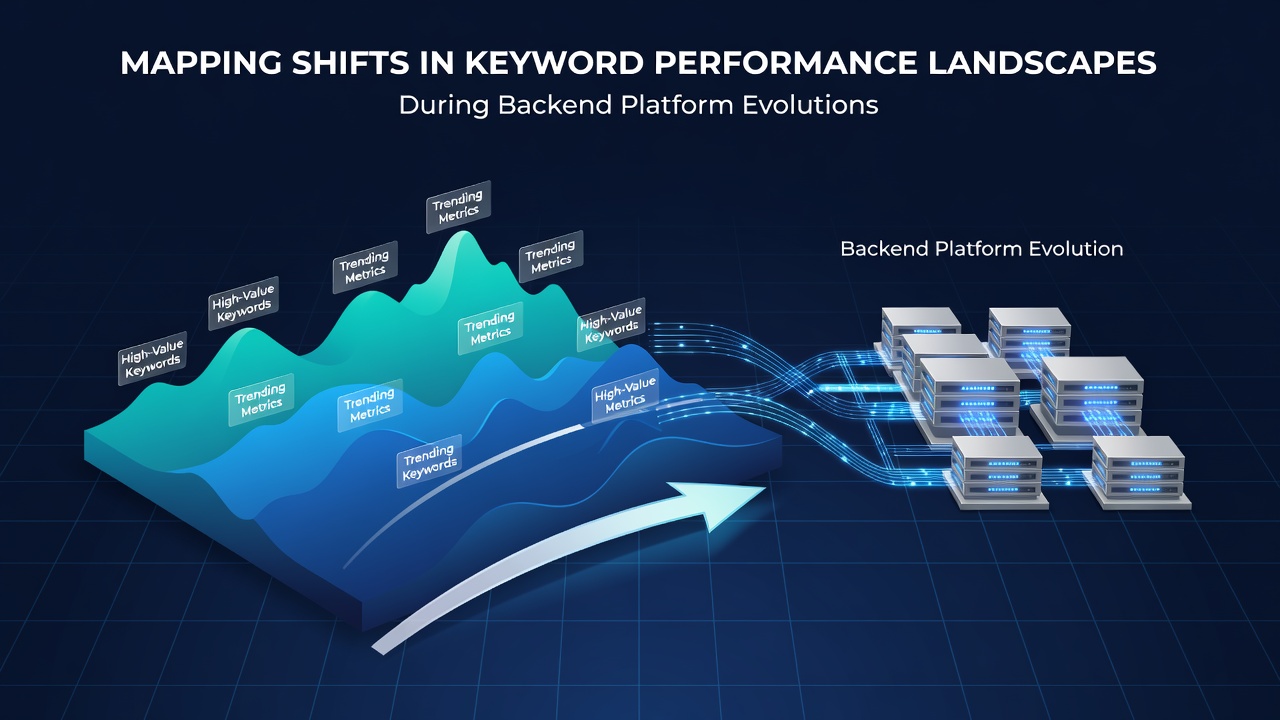
Backend platform evolutions reshape how search engines interpret and rank content because changes in hosting infrastructure, database structures, and server configurations alter crawl efficiency along with indexation speed. Researchers tracking these transitions note that keyword performance often experiences measurable fluctuations in impressions, average positions, and click-through rates during and after such updates. Data from multiple industry reports shows these shifts follow predictable patterns tied to technical factors rather than content modifications alone.
Core Elements of Backend Platform Changes
Platform evolutions typically involve migrations to new content management systems, cloud hosting providers, or custom server architectures that improve scalability yet temporarily disrupt established crawling pathways. Observers note that when servers switch locations or protocols update, search engine bots may encounter altered response times which in turn affect how frequently pages receive fresh evaluations. Studies from academic institutions indicate that even minor alterations in URL structures or redirect chains during these processes can redistribute authority signals across keyword sets.
Technical Factors Driving Performance Variations
Latency reductions through content delivery network integrations often boost rankings for competitive terms while slower initial indexing periods cause temporary drops for long-tail phrases. Evidence from monitoring tools reveals that database query optimizations during backend upgrades frequently improve crawl budget allocation, allowing search engines to discover updated content more rapidly and leading to steadier performance curves over subsequent weeks. Those who analyze server logs alongside ranking data find correlations between cache invalidation events and sudden visibility changes across multiple keyword clusters.
Documented Patterns in Keyword Landscapes
Performance mapping exercises conducted after major hosting adjustments demonstrate that head terms tend to stabilize faster than niche keywords because broader search volumes provide more consistent signals for algorithm recalibration. Research indicates fluctuations peak within the first 14 to 21 days post-migration before settling into new equilibrium points that reflect the updated infrastructure capabilities. Figures from longitudinal tracking projects show recovery timelines extending up to 60 days when redirect implementations contain inconsistencies or when schema markup fails to transfer completely during platform transitions.
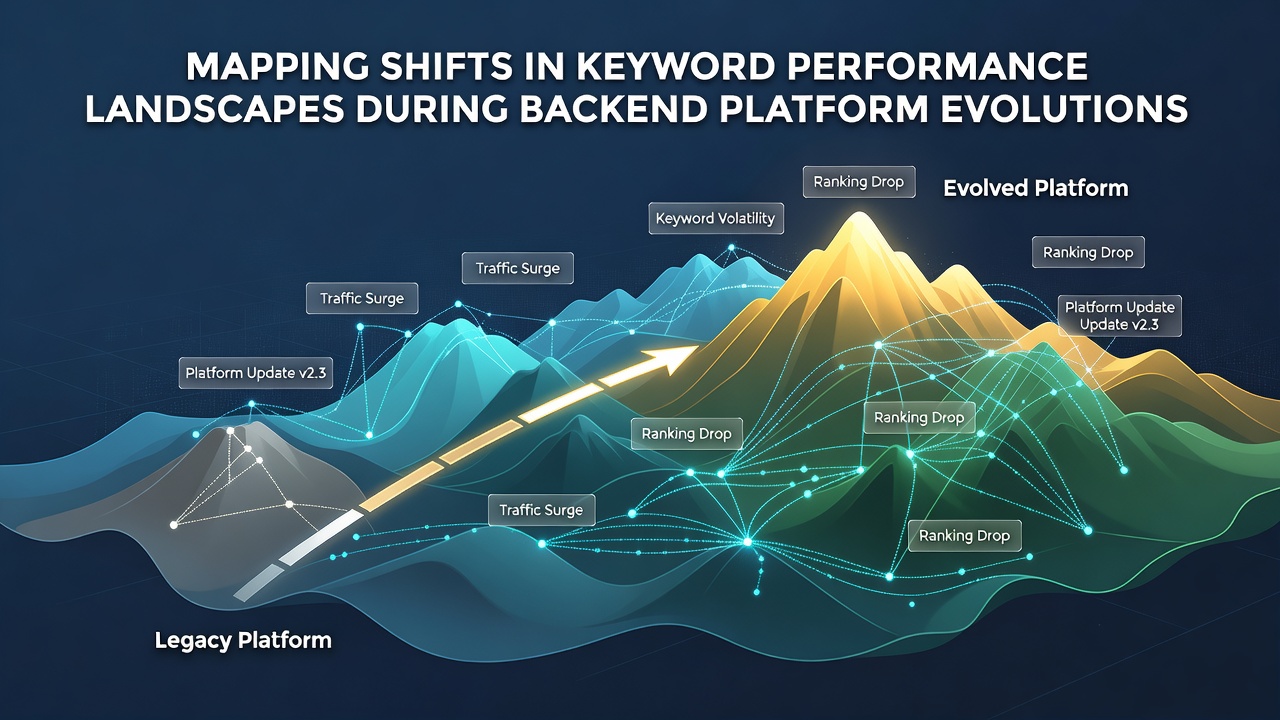
One analysis of enterprise sites revealed that keywords tied to transactional intent recovered ranking velocity more quickly than informational terms after servers moved to distributed architectures. Data shows these differences arise because transactional pages often carry stronger on-page signals that search algorithms prioritize during re-evaluation phases. Experts tracking similar events in October 2026 observed comparable timelines when organizations completed large-scale cloud migrations that coincided with core algorithm refreshes.
Approaches to Tracking and Measuring Shifts
Analysts employ layered monitoring frameworks that combine server log analysis with ranking trackers and traffic segmentation tools to isolate backend-induced changes from other variables. According to findings published by the OECD, systematic measurement of crawl frequency before and after platform updates provides clearer attribution of performance movements. Teams segment keyword groups by intent and volume then compare pre-migration baselines against post-migration trajectories to identify outliers that require technical remediation.
Visualization techniques such as heat maps of ranking volatility help stakeholders identify clusters experiencing sustained movement versus those showing transient noise. Reports from research institutions demonstrate that integrating API data from multiple search consoles yields higher accuracy when mapping how backend changes propagate through different language and regional versions of sites. Observers note that automated alerting systems configured around specific metric thresholds allow quicker responses to unexpected drops that emerge during stabilization periods.
October 2026 Observations and Broader Context
During October 2026 several large-scale backend platform transitions coincided with documented shifts in keyword landscapes across monitored domains. Tracking data indicated that sites completing migrations to enhanced edge computing setups experienced accelerated indexing for freshly published content while older pages required additional weeks to regain prior positions. Canadian statistical sources on digital infrastructure upgrades corroborate these patterns by showing how improved server response metrics correlate with steadier search visibility over extended monitoring windows.
Cross-referencing with industry reports from organizations such as Innovation, Science and Economic Development Canada highlights that organizations maintaining detailed change logs during evolutions achieve faster identification of the precise technical elements responsible for ranking variations. This approach reduces the duration of negative performance impacts and supports more precise recovery planning.
Conclusion
Mapping keyword performance shifts during backend platform evolutions requires consistent data collection across technical and ranking dimensions to separate infrastructure effects from content or external factors. Organizations that implement structured monitoring before, during, and after such transitions obtain clearer pictures of how server changes influence search outcomes. Continued refinement of these mapping methods supports better preparation for future platform updates and helps maintain stable visibility across evolving keyword landscapes.